The following article was published in the January/February 2008 issue of Extra!, the magazine of FAIR (Fairness and Accuracy in Reporting)-- www.fair.org.
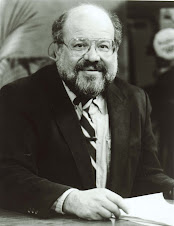
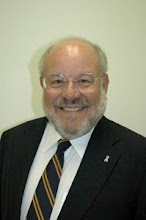
By Karl Grossman
Nuclear advocates in government and the nuclear industry are engaged in a massive, heavily financed drive to revive atomic power in the United States--with most of the mainstream media either not questioning or actually assisting in the promotion.
"With a very few notable exceptions," such as the Los Angeles Times, "the U.S. media have turned the same sort of blind, uncritical eye on the nuclear industry’s claims that led an earlier generation of Americans to believe atomic energy would be too cheap to meter," comments Michael Mariotte, executive director of the Nuclear Information and Resource Service. "The nuclear industry’s public relations effort has improved over the past 50 years, while the natural skepticism of reporters toward corporate claims seems to have disappeared."
The New York Times continues to be, as it was a half-century ago when nuclear technology was first advanced, a media leader in pushing the technology, which collapsed in the U.S. with the 1979 Three Mile Island and 1986 Chernobyl nuclear plant accidents. The Times has showered readers with a variety of pieces advocating a nuclear revival, all marbled with omissions and untruths. A lead editorial headlined "The Greening of Nuclear Power" (5/13/06) opened:
"Not so many years ago, nuclear energy was a hobgoblin to environmentalists, who feared the potential for catastrophic accidents and long-term radiation contamination. . . . But this is a new era, dominated by fears of tight energy supplies and global warming. Suddenly nuclear power is looking better."
Nukes add to greenhouse
Parroting a central atomic industry theme these days, the Times editors declared, "Nuclear energy can replace fossil-fuel power plants for generating electricity, reducing the carbon dioxide emissions that contribute heavily to global warming." As a TV commercial frequently aired by the Nuclear Energy Institute (NEI), the nuclear industry trade group, states: "Nuclear power plants dont emit greenhouses gases, so they protect our environment."
What is left unmentioned by the NEI, the Times and other mainstream media making this claim is that the overall nuclear cycle--which includes uranium mining and milling, enrichment, fuel fabrication and disposal of radioactive waste--has significant greenhouse gas emissions that contribute to global warming.
As Michel Lee, chair of the Council on Intelligent Energy & Conservation Policy, wrote in an (unpublished) letter to the Times, the
"dirty secret is that nuclear power makes a substantial contribution to global warming. Nuclear power is actually a chain of highly energy-intensive industrial processes. These include uranium mining, conversion, enrichment and fabrication of nuclear fuel; construction and deconstruction of the massive nuclear facility structures; and the disposition of high-level nuclear waste."
She included information on "independent studies that document in detail the extent to which the entire nuclear cycle generates greenhouse emissions."
Separately, Lee wrote to a Times journalist stating that the "fiction" that nuclear power does not contribute to global warming "has been a prime feature of the nuclear industry's and Bush administration's PR campaign that unfortunately . . . has been swallowed by a number of New York Times reporters, op-ed columnists and editors."
Greens for hire
In "The Greening of Nuclear Power," the Times, like other mainstream media touting a nuclear restart, also spoke of environmentalists changing their stance on nuclear power. "Two new leaders" have emerged "to encourage the building of new nuclear reactors," according to the editorial. They happen to be Christine Todd Whitman, George W. Bushs first Environmental Protection Agency administrator, and Patrick Moore, "a co-founder of Greenpeace." The Times heralded this as "the latest sign that nuclear power is getting a more welcome reception from some environmentalists.
However, "both Whitman and Moore . . . are being paid to do so by the Nuclear Energy Institute," noted the Center for Media and Democracy's Diane Farsetta (PRWatch.org, 3/14/07). In her piece "Moore Spin: Or, How Reporters Learned to Stop Worrying and Love Nuclear Front Groups," Farsetta also reported:
"A Nexis news database search on March 1, 2007 identified 302 news items about nuclear power that cite Moore since April 2006. Only 37 of those pieces--12 percent of the total--mention his financial relationship with NEI."
Whitman and Moore were hired as part of NEIs "Clean and Safe Energy Coalition" in 2006, which is "fully funded" by the institute, Farsetta noted. As for Moore and Greenpeace, his "association . . . ended in 1986, and he has now spent more time working as a PR consultant to the logging, mining, biotech, nuclear and other industries . . . than he did as an environmental activist."
According to Harvey Wasserman, senior advisor to Greenpeace USA and co-author of Killing Our Own: The Disaster of Americas Experience With Atomic Radiation (Brattleboro Reformer, 2/24/07), "Moore sailed on the first Greenpeace campaign, but he did not actually found the organization." Wasserman went on to cite an actual founder of the organization, Bob Hunter, describing Moore as "the Judas of the ecology movement."
Scarce high-grade fuel
Insisting that there is good reason to give nuclear power a fresh look, "The Greening of Nuclear Power" further claimed, "It can diversify our sources of energy with a fuel-uranium--that is both abundant and inexpensive."
This, too, was bogus. The uranium from which fuel used in nuclear power plants is made--so-called "high-grade" ore containing substantial amounts of fissionable uranium-235--is, in fact, not abundant. As Andrew Simms of the New Economics Foundation told BBC News (11/29/05), another "dirty little secret" of nuclear power is that "startlingly, theres only a few decades left of the proven high-grade uranium ore it needs for fuel." This has been the projection for years.
Indeed, this limit on "high-grade" uranium ore is why the industry projects that, in the long-term, nuclear power will need to be based on breeder reactors running on manmade plutonium. But use of plutonium-fueled reactors has been stymied because they can explode like atomic bombs--they contain tons of plutonium fuel, while the first bomb using plutonium, dropped on Nagasaki, contained 15 pounds. Because it takes only a few pounds of plutonium to make an atomic bomb, they also constitute an enormous proliferation risk.
Blaming Jane Fonda
"The Jane Fonda Effect" (9/16/07), a Times Magazine column by Stephen Dubner and Steven Levitt, blamed nuclear power's stall on the 1979 film The China Syndrome, starring Jane Fonda, which opened days before the Three Mile Island partial meltdown. "Stoked by The China Syndrome, "it caused widespread panic," wrote Dubner and Levitt, even though, they maintained, the accident did not "produce any deaths, injuries or significant damage."
In fact, the utility that owned Three Mile Island has for years been quietly paying people whose family members died, contracted cancer or were otherwise impacted by the accident. While settlements range up to $1 million, the utility company continues to insist this does not acknowledge fault. The toll of Three Mile Island is chronicled in my television documentary Three Mile Island Revisited (EnviroVideo, 1993) and Wasserman's book Killing Our Own (which includes a devastating chapter, "People Died at Three Mile Island"), among other works.
But Dubner and Levitt continue undeterred, declaring, "The big news is that nuclear power may be making a comeback in the United States." They acknowledge the Chernobyl accident, stating that it killed at least a few dozen people directly. They admit that it "exposed millions more to radiation," but keep silent about the consequences of this in terms of illness and death. This atomic version of Holocaust denial flies in the face of voluminous research on the disaster that puts the number of dead in the hundreds of thousands.
"At least 500,000 people--perhaps more--have already died out of the 2 million people who were officially classed as victims of Chernobyl in Ukraine," said Nikolai Omelyanets, deputy head of the National Commission for Radiation Protection in Ukraine (Guardian, 3/25/06). Dr. Alexey Yablokov, president of the Center for Russian Environmental Policy, calculates a death toll of 300,000. In the book Chernobyl: 20 Years On, which he co-edited, Yablokov writes, "In 20 years it has become clear that not tens, hundreds of thousands, but millions of people in the Northern Hemisphere have suffered and will suffer from the Chernobyl catastrophe."
The New York Times Magazine also published "Atomic Balm?" (7/16/06), by Jon Gertner; the subhead read, "For the first time in decades, increasing the role of nuclear power in the United States may be starting to make political, environmental and even economic sense." Gertner used the term nuclear "renaissance," and again forwarded the claim that "the supply [of uranium] is abundant."
Gertner told of how the "lifespan" for nuclear plants was set at 40 years because this was considered "how long a large nuclear plant could safely operate." This has "proved a conservative estimate," he states--without providing a factual basis. So the Nuclear Regulatory Commission has been "granting 20-year extensions" to the 103 U.S. nuclear plants "so they can run for a total of 60 years." (Consider the safety and reliability of 60-year-old cars speeding down highways.)
"Even with such licensing renewals, though, its doubtful the current fleet of plants will run for, say, 80 years," he continued, and "that means the industry, in a way, is in a race against time." It needs to build new plants because the "absence" of nuclear power "would probably pose tremendous challenges for the United States."
The New York Times also allows its nuclear advocacy to slip into its news stories. In an article (11/27/07) about the French nuclear power company Areva signing a deal with a Chinese atomic corporation, Times reporter John Tagliabue wrote of Areva chief executive Anne Lauvergeon's "long path from dirty hands to clean energy." The "dirty hands referred to a youthful interest in archaeology; that nuclear power is "clean energy" appears to require no explanation.
Another story, datelined Fort Collins, Colorado (11/19/07), reported on two energy projects proposed for what the paper calls "a deeply green city." Describing the plans as "exposing the hard place that communities like this across the country are likely to confront," Times reporter Kirk Johnson wrote:
"Both projects would do exactly what the city proclaims it wants, helping to produce zero-carbon energy. But one involves crowd-pleasing, feel-good solar power, and the other is a uranium mine, which has a base of support here about as big as a pinkie. Environmentalism and local politics have collided with a broader ethical and moral debate about the good of the planet, and whether some places could or should be called upon to sacrifice for their high-minded goals."
Other revivalists
Other media promoting a nuclear revival--their words prominently featured on NEIs website--include USA Today (3/5/06): "The facts are straightforward: Nuclear power . . . creates virtually none of the pollution that causes climate change and delivers electricity cheaper than other forms of generation do." And the Augusta Chronicle (8/21/06): "Nuclear power--for decades perceived as an environmental scourge--is emerging as the cleanest and most cost-efficient source of energy available, a fact conceded even by environmentalists." And Investors Business Daily (12/1/06): "We can worry about imaginary threats of nuclear energy or the real dangers of fossil fuel pollution."
Glenn Beck of CNN Headline News also joined the chorus of support (5/2/07): "Look, America should embrace nuclear power, even if it's [just] to get off the foreign oil bandwagon." This is also common nuclear disinformation, that nuclear power is needed to displace foreign oil. The only energy produced by nuclear power is electricity--and only 3 percent of electricity in the U.S. is generated with oil.
There are a few exceptions in the mainstream media, notably the other Times, the Los Angeles Times. "The dream that nuclear power would turn atomic fission into a force for good rather than destruction unraveled with the Three Mile Island disaster in 1979 and the Chernobyl meltdown in 1986," the paper stated (7/23/07) in an editorial headlined: "No to Nukes: Its Tempting to Turn to Nuclear Plants to Combat Climate Change, but Alternatives Are Safer and Cheaper." Those who claim nuclear power "must be part of any solution to global warming or climate change make a weak case," said the L.A. Times, citing
"the enormous cost of building nuclear plants, the reluctance of investors to fund them, community opposition and an endless controversy over what to do with the waste. . . . Whats more, there are cleaner, cheaper, faster alternatives that come with none of the risks."
Staggering numbers
As to the risks, the mainstream media's handling--or non-handling--of the U.S. government's most comprehensive study on the consequences of a nuclear plant accident is instructive. Calculation of Reactor Accident Consequences 2 (known as CRAC-2) was done by the Nuclear Regulatory Commission in the
1980s. Bill Smirnow, an anti-nuclear activist, has tried for years to interest media in reporting on it-sending out information about it continually.
The study estimates the impacts from a meltdown at each nuclear plant in the U.S. in categories of "peak early fatalities," "peak early injuries," "peak cancer deaths" and "costs [in] billions." ("Peak" refers to the highest calculated value--not a worst case scenario, as worse assumptions could have been chosen.) For the Indian Point 3 plant north of New York City, for example, the projection is that a meltdown would cause 50,000 "peak early fatalities," 141,000 "peak early injuries," 13,000"peak cancer deaths," and $314 billion in property damage--and that's based on the dollars value in 1980, so the cost today would be nearly $1 trillion. For the Salem 2nuclear plant in New Jersey, the study projects 100,000 "peak early fatalities,"70,000 "peak early injuries," 40,000 "peak cancer deaths," and $155 billion in property damage. The study provides similarly staggering numbers across the country.
"I've sent the CRAC-2 material out for years to media and have never heard a thing," Smirnow told Extra!:"Not anyone in the media ever even asked me a question. There's no excuse for this media inattention to such an important subject, and it shows how they're falling flat on their faces in not performing their purported mission of educating and informing the public. Whatever their reason or reasons for not informing their readers and listeners, the effect is one of helping the nuclear power industry and hurting the public. If the public was informed, this new big pro-nuke push would never happen."
Also in the way of sins of omission is the media silence on "routine emissions"--the amount of radioactivity the U.S. government allows to be routinely released by nuclear plants. "It doesn't take an accident for a nuclear power plant to release radioactivity into our air, water and soil," says Kay Drey of Beyond Nuclear at the Nuclear Policy Research Institute. "All it takes is the plant's everyday routine operation, and federal regulations permit these radioactive releases. Rarely, if ever, is this reported by media." The radioactive substances regularly emitted include tritium, krypton and xenon. The Nuclear Regulatory Commission sets a "permissible" level for these routine emissions, but, as Drey states, "permissible does not mean safe."
Hidden subsidies
Another lonely voice amid the media nuclear cheerleaders is the Las Vegas Sun, which recently has been especially outraged by $50 billion in loan guarantees for the nuclear industry to build new nuclear plants included in the 2007 Energy Bill. The Sun demanded (8/1/07): "Pull the Plug Already."
In reporting on the economics of nuclear power, mainstream media virtually never mention the many government subsidies for it, while continuing to claim that it's ""cost-effective (Augusta Chronicle, 8/21/06). One such giveaway is the Price-Anderson Act, which shields the nuclear industry from liability for catastrophic accidents. Price-Anderson, supposed to be temporary when first enacted in 1957, has been extended repeatedly and now limits liability in the event of an accident to $10 billion, despite CRAC-2's projections of consequences far worse than that.
Writing on CommonDreams.org (9/11/07), Ralph Nader explored the economic issue. "Taxpayers alert!" he declared: "The atomic power corporations are beating on the doors in Washington to make you guarantee their financing for more giant nuclear plants. They are pouring money and applying political muscle to Congress for up to $50 billion in loan guarantees to persuade an uninterested Wall Street that Uncle Sam will pay for any defaults on industry construction loans. . . . The atomic power industry does not give up. Not as long as Uncle Sam can be dragooned to be its subsidizing, immunizing partner. Ever since the first of 100 plants opened in 1957, corporate socialism has fed this insatiable atomic goliath with many types of subsidies."
Ignored alternatives
Yet another claim by mainstream media in pushing for a nuclear revival is the success of the French nuclear program. 60 Minutes (4/8/07) did it in a segment called "Vive Les Nukes." (See FAIR Action Alert, 4/18/07.) Correspondent Steve Kroft started with the nuclear-power-doesn't-contribute-to-global-warming myth:
"With power demands rising and concerns over global warming increasing, what the world needs now is an efficient means of producing carbon-free energy. And one of the few available options is nuclear, a technology whose time seemed to come and go, and may now be coming again. . . . With zero greenhouse gas emissions, the U.S. government, public utilities and even some environmental groups are taking a second look at nuclear power, and one of the first places theyre looking to is France, where its been a resounding success."
Though she was totally ignored, Linda Gunter of Beyond Nuclear told 60 Minutes of radioactive contamination in the marine life off Normandy where the French reprocessing center sits, leukemia clusters in people living along that coast, and massive demonstrations in French cities earlier in the year protesting construction of new nuclear power plants.
The Union of Concerned Scientists was upset by 60 Minutes downplaying of alternative energy technologies such as wind and solar. UCS's Alden Meyer wrote to 60 Minutes:
"In fact, wind power could supply more energy to the U.S. grid than nuclear does today, and when combined with a mix of energy efficiency and other renewable energy sources, could provide a continuous energy supply that would help us make dramatic reductions in global warming."
Dismissal of renewable energy forms is another major facet of mainstream media's drive for a nuclear power revival. As the St. Petersburg Times put it (12/08/06), "While renewable sources of energy such as solar power are still in the developmental stage, nuclear is the new green." Renewables Are Ready was the title of a 1999 book written by two UCS staffers. Today, they are more than ready. "Wind is the cheapest form of new generation now being built," wrote Greenpeace advisor Wasserman (Free Press, 4/10/07). He pointed to an "array of wind, solar, bio-fuels, geothermal, ocean thermal and increased conservation and efficiency."
Wasserman has also written about another element ignored by most mainstream media (Free Press, 7/9/07): "The switch to renewables defunds global terrorism. Atomic reactors are pre-deployed weapons of radioactive mass destruction. Shutting them down ends the fear of apocalyptic disaster by both terror and error." He stressed, again, that safe, clean energy is here and "we could replace everything with available technology that could easily supply all our needs while allowing a sustainable planet to survive and thrive."
The one green thing
What are the causes of the media nuclear dysfunction? The obvious problem is media ownership. General Electric, for one, is both a leading nuclear plant manufacturer and a media mogul, owning NBC and other outlets. (For years, CBS was owned by Westinghouse; Westinghouse and GE are the Coke and Pepsi of nuclear power.) There have been board and financial interlocks between the media and nuclear industries. There is the long-held pro-nuclear faith at media such as the New York Times. (See sidebar.)
There is also the giant public relations operation--both corporate, led by the NEI, and government, involving the Department of Energy and its national nuclear laboratories. "You have the NEI and the nuclear industry propagandizing on nuclear power, and journalists taking down what the industry is saying and not looking at the veracity of their claims," Greenpeace USA nuclear policy analyst Jim Riccio told Extra!.
And then there's lots of money. FAIR recently exposed (Action Alert, 8/22/07) how National Public Radio, which broadcasts many pro-nuclear pieces, has received hundreds of thousands of dollars from nuclear operator Sempra Energy and Constellation Energy, which belongs to Nustart Energy, a 10-company consortium pushing for new nuclear power plant construction.
The only thing green about nuclear power is the nuclear establishments dollars.
Karl Grossman is a professor of journalism at the State University of New York College at Old Westbury. Books he has written about nuclear technology include Cover Up: What You ARE NOT Supposed to Know About Nuclear Power. He has hosted many television programs on nuclear technology on EnviroVideo.com
Article Sidebar:
The NYTs Nuclear Promised Land
The New York Times is not alone in promoting a revival of nuclear power. But as the U.S. paper of record, it sets the media tone. Its pro-nuclear editorial culture began decades ago when the Manhattan Project and its corporate contractors (notably General Electric and Westinghouse, which became the major manufacturers of nuclear power plants) sought to perpetuate what was established during World War II, by making other things atomic.
Because of the Times' importance, Manhattan Project director Gen. Leslie Groves personally arranged for its reporter, William Laurence, to join the project. Laurence was responsible for the first piece of nuclear media disinformation; he wrote a press statement to cover up the first test of an atomic device, claiming there had been an ammunition dump explosion. Laurence later, as the only "journalist" that had been at the 1945 Trinity test, wrote that it was like being present "at the moment of creation when the Lord said 'let there be light.'"
After atomic bombs dropped on Japan, the Times both ran and "distributed free to the nation's other newspapers" a 10-part series written by Laurence glorifying the Manhattan Project, notes News Zero: The New York Times and The Bomb by Beverly Keever (Common Courage Press). Radioactivity was all but unmentioned in the series.
And the Times science reporter continued for years to wax poetic about atomic technology. "From the dawn of the atomic-bomb age, Laurence and the Times almost single-handedly shaped the news of this epoch and helped birth the acceptance of the most destructive force ever created," writes Keever, professor of journalism at the University of Hawaii. Laurence would describe nuclear power as "making the dream of the Earth as a Promised Land come true."
Monday, February 4, 2008

Friday, December 28, 2007
The Jellyfish Revenge
There are a lot of things very, very bad about global warming: sea levels getting higher, land getting submerged, glaciers melting, weird things happening with the weather. But something that really stings is also being caused: an increase in jellyfish.
Now with all due respect to those in the Orient who like to eat jellyfish, I don’t like them at all—to eat (I can’t imagine that) or to swim around.
“Why jellies love global warming,” was the title of a recent article in the British magazine, New Scientist—and it wasn’t talking about blueberry jelly. http://environment.newscientist.com/channel/earth/mg19626323.700-insight-overfishing-is-creating-a-jellyfish-plague.html
It told of how warmer water caused by global warming has been producing an increase in jellyfish, indeed the development of huge swarms of them. It reported on one swarm of these creatures, 20 square miles in area, moving in the Irish Sea and hitting a salmon farm—“killing all 100,000 fish in it,” said the New Scientist.
Also, the increase in jellyfish is also being produced by the increased levels of carbon dioxide being released on the planet causing seawater to become more acidic and harming “small creatures with acid-soluble shells that compete with jellyfish.”
Another causal factor—and another huge folly by man—is overfishing
Removing marine vertebrates that eat jellyfish, said the New Scientist.
The magazine spoke of “a vicious cycle.” It related: “Overfishing means we need more fish farms and it also boosts populations of jellyfish which damage fish farms. As the growing human population needs more food, that exacerbates warming, and…jellyfish prosper. The final irony: small plankton-eating fish, which compete most directly with jellyfish” are especially being “overfished—largely to make fishmeal, the main food for fish farms.”
What a mess.
The Kyoto Accord has been developed to combat global warming—with the U.S. leading a challenge to it. Then there’s overfishing, the myopic practice of many nations.
A bottom line: the jellyfish revenge. Clear reason for changes in course.
Now with all due respect to those in the Orient who like to eat jellyfish, I don’t like them at all—to eat (I can’t imagine that) or to swim around.
“Why jellies love global warming,” was the title of a recent article in the British magazine, New Scientist—and it wasn’t talking about blueberry jelly. http://environment.newscientist.com/channel/earth/mg19626323.700-insight-overfishing-is-creating-a-jellyfish-plague.html
It told of how warmer water caused by global warming has been producing an increase in jellyfish, indeed the development of huge swarms of them. It reported on one swarm of these creatures, 20 square miles in area, moving in the Irish Sea and hitting a salmon farm—“killing all 100,000 fish in it,” said the New Scientist.
Also, the increase in jellyfish is also being produced by the increased levels of carbon dioxide being released on the planet causing seawater to become more acidic and harming “small creatures with acid-soluble shells that compete with jellyfish.”
Another causal factor—and another huge folly by man—is overfishing
Removing marine vertebrates that eat jellyfish, said the New Scientist.
The magazine spoke of “a vicious cycle.” It related: “Overfishing means we need more fish farms and it also boosts populations of jellyfish which damage fish farms. As the growing human population needs more food, that exacerbates warming, and…jellyfish prosper. The final irony: small plankton-eating fish, which compete most directly with jellyfish” are especially being “overfished—largely to make fishmeal, the main food for fish farms.”
What a mess.
The Kyoto Accord has been developed to combat global warming—with the U.S. leading a challenge to it. Then there’s overfishing, the myopic practice of many nations.
A bottom line: the jellyfish revenge. Clear reason for changes in course.
Saturday, December 22, 2007
Empathy Experience
The year 2007 was a rough one for me—having undergone a terrible fall, skidding on a pebble-strewn brick apron of a driveway and tearing through the quadriceps muscles and tendons of my left leg. I had to have a major operation and then have had what a professor colleague of mine at the State University of New York called an “empathy experience.”
It was more than a month in a wheelchair. I’ve never thought much about the ramps and big buttons that open doors for folks in wheelchairs and other needed “accessibility” provisions now widespread due to the Americans with Disability Act.
Among the most difficult things: getting into bed or, yet more difficult, out, or struggling to take a shower with a plastic leaf bag over the cast and entire leg to keep things dry. I learned the ways disabled people have to traverse: using elevators and ramps. Bannisters, wow are they important to hold on to. And those slopes in sidewalks. When you are in a wheelchair, you look carefully for those slopes. Then I went to crutches and finally a cane.
I’ve been receiving physical therapy at Manual Sports & Physical Therapy, the wonderful place of Sinead FitzGibbon and her protégés, in the community where I live, Sag Harbor, New York. Sinead is a master at getting folks with broken bones and torn muscles and tendons back into shape.
In another lesson in what disabled and sick people face—more emphathy experience—it didn't take long before I was denied further physical therapy by my health insurer, Managed Physical Network. “Your condition,” it asserted in a letter, “has stabilized.”
I couldn't—and still can't—get up and down stairs well. I needed—and still need—more therapy.
After Sinead and I protested, Managed Physical Network gave permission for eight more treatments. After that, there's no commitment for anything more.
Nick Daba, my lead therapist at Manual Sports, had a premonition it could happen. As he treated me three weeks ago in what the health insurer would have had as my last session, he was telling me of the former CEO of United HealthCare receiving a stock option bonus in excess of a billion dollars last year in addition to his multi-million dollar salary. Back home, I confirmed that on Google.
The health insurance companies clearly like to deny people care. How else can their executives rake in millions and more for themselves?
A superb and comprehensive report on the situation has just been done at Sonoma State University: "Practices in Health Care and Disability Insurance: Delay, Diminish, Deny, and Blame" by Peter Phillips and Bridget Thoraton. Check it out at:
http://www.projectcensored.org/HCDI_1007.pdf
The authors note in their announcement of the study that it “shows how health and disability insurance companies are systematically cheating the American public.”
Importantly, it shows why. “As some of the richest most powerful people in America, health care executives dominate health policy with their campaign donations and active lobbying efforts,” Professor Phillips and Ms. Thoraton say. “They spend millions to keep themselves in the health insurance delivery business despite overwhelming evidence that we would all be better off without them. They use these profits to propagandize the American public and influence voters through scare tactics of ‘socialized medicine’ and long delays of service in single-payer systems.”
The report concludes: “Adequate health care for everyone is a human right, acknowledged by the world in the 1948 United Nations’ Declaration of Human Rights. Most Americans pay higher combined taxes, health and disability insurance premiums, co-payments, and various health-related expenses than citizens in common pool, single-payer systems, yet those countries allow all their citizens equal access to services.” (The report, citing a New England Journal of Medicine analysis, relates that spending for administrative costs associated with health care in the U.S. amounts to more than $320 billion a year or 31 percent overall, while the administrative costs in the Canadian national healthcare system totals 16.7 percent.) “When the American people,” says the report, “collectively decide that health care and basic social security is a right which belongs to everyone, the health and disability system can be changed to provide necessary benefits for all.”
The authors declare: “People in the U.S. have a choice. We can continue with a high-cost profit-driven private insurance health care system leaving million to languish without care, and millions more to face the frustrations of systematic delays, diminished care, and denials of promised benefits. Alternatively, we can build a common pool health care system that provides necessary health care goods to everyone—for less than what we are now paying. Let’s find and support the politicians who will provide health care for all outside of corporate fat-cat control.”
My "empathy experience" has been minor compared to the horrific ordeals of millions of Americans under a predatory and thoroughly outrageous "health care" system.
It was more than a month in a wheelchair. I’ve never thought much about the ramps and big buttons that open doors for folks in wheelchairs and other needed “accessibility” provisions now widespread due to the Americans with Disability Act.
Among the most difficult things: getting into bed or, yet more difficult, out, or struggling to take a shower with a plastic leaf bag over the cast and entire leg to keep things dry. I learned the ways disabled people have to traverse: using elevators and ramps. Bannisters, wow are they important to hold on to. And those slopes in sidewalks. When you are in a wheelchair, you look carefully for those slopes. Then I went to crutches and finally a cane.
I’ve been receiving physical therapy at Manual Sports & Physical Therapy, the wonderful place of Sinead FitzGibbon and her protégés, in the community where I live, Sag Harbor, New York. Sinead is a master at getting folks with broken bones and torn muscles and tendons back into shape.
In another lesson in what disabled and sick people face—more emphathy experience—it didn't take long before I was denied further physical therapy by my health insurer, Managed Physical Network. “Your condition,” it asserted in a letter, “has stabilized.”
I couldn't—and still can't—get up and down stairs well. I needed—and still need—more therapy.
After Sinead and I protested, Managed Physical Network gave permission for eight more treatments. After that, there's no commitment for anything more.
Nick Daba, my lead therapist at Manual Sports, had a premonition it could happen. As he treated me three weeks ago in what the health insurer would have had as my last session, he was telling me of the former CEO of United HealthCare receiving a stock option bonus in excess of a billion dollars last year in addition to his multi-million dollar salary. Back home, I confirmed that on Google.
The health insurance companies clearly like to deny people care. How else can their executives rake in millions and more for themselves?
A superb and comprehensive report on the situation has just been done at Sonoma State University: "Practices in Health Care and Disability Insurance: Delay, Diminish, Deny, and Blame" by Peter Phillips and Bridget Thoraton. Check it out at:
http://www.projectcensored.org/HCDI_1007.pdf
The authors note in their announcement of the study that it “shows how health and disability insurance companies are systematically cheating the American public.”
Importantly, it shows why. “As some of the richest most powerful people in America, health care executives dominate health policy with their campaign donations and active lobbying efforts,” Professor Phillips and Ms. Thoraton say. “They spend millions to keep themselves in the health insurance delivery business despite overwhelming evidence that we would all be better off without them. They use these profits to propagandize the American public and influence voters through scare tactics of ‘socialized medicine’ and long delays of service in single-payer systems.”
The report concludes: “Adequate health care for everyone is a human right, acknowledged by the world in the 1948 United Nations’ Declaration of Human Rights. Most Americans pay higher combined taxes, health and disability insurance premiums, co-payments, and various health-related expenses than citizens in common pool, single-payer systems, yet those countries allow all their citizens equal access to services.” (The report, citing a New England Journal of Medicine analysis, relates that spending for administrative costs associated with health care in the U.S. amounts to more than $320 billion a year or 31 percent overall, while the administrative costs in the Canadian national healthcare system totals 16.7 percent.) “When the American people,” says the report, “collectively decide that health care and basic social security is a right which belongs to everyone, the health and disability system can be changed to provide necessary benefits for all.”
The authors declare: “People in the U.S. have a choice. We can continue with a high-cost profit-driven private insurance health care system leaving million to languish without care, and millions more to face the frustrations of systematic delays, diminished care, and denials of promised benefits. Alternatively, we can build a common pool health care system that provides necessary health care goods to everyone—for less than what we are now paying. Let’s find and support the politicians who will provide health care for all outside of corporate fat-cat control.”
My "empathy experience" has been minor compared to the horrific ordeals of millions of Americans under a predatory and thoroughly outrageous "health care" system.
Sunday, November 18, 2007
Newest Would-Be Nuclear Power Bail-Out
In the next several weeks, Congress is expected to vote on the newest taxpayer subsidy to the nuclear industry: $50 billion in loan guarantees for the building of new nuclear power plants.
Wall Street is nervous about putting its money up for new nuclear plants. Six of the nation’s largest investment banks—CitiGroup, Credit Suisse, Goldman Sachs, Lehpoman Brothers, Merrill Lynch and Morgan Stanley—recently told the U.S. Department of Energy that the high likelihood of delays and cost overruns in building new nuclear plants were just too much for Wall Street.
The banks' statement continued: “We believe these risks, combined with the higher capital costs and longer construction schedules of nuclear plants as compared to other generation facilities, will make lenders unwilling at present to extend long-term credit.”
That’s why U.S. Senator Peter Domenici of New Mexico, a nuclear power zealot, and the nuclear industry arranged for a provision in an energy bill now before Congress. It would leave taxpayers holding the bag in the event of defaults on new nuclear plants that Domenici, the nuclear industry and the Bush administration want to have built.
This would be the latest taxpayer subsidy for nuclear power. Among other subsidies is a measure that was supposed to be temporary, the Price Anderson Act (which, however, has become seemingly permanent) that limits the liability in the event of a catastrophic nuclear plant accident, like the Chernobyl disaster.
With a nuclear plant disaster in the United States, under the current version of Price Anderson, those who lose loved ones, develop cancer themselves, must evacuate their homes because of radiation—as happened to thousands around Chernobyl—compensation would be limited to a total of $10 billion.
And that’s a fraction of what government studies project as the costs of a nuclear plant disaster to be.
Insurance companies won’t insure for a nuclear plant accident. Try asking your insurance broker for a policy. The answer will be no. Look on your homeowners policy. In the U.S., they all have a “nuclear clause”—saying this policy won’t cover loss or damage caused by radiation.
It leaves one to ask: if nuclear power is so safe, why won’t insurance companies cover it?
If it makes any economic sense, why can’t it stand on its own economically—without taxpayer subsidies?
Safe energy proponents are urging people to call their senators and representatives to urge opposition to the $50 billion taxpayer nuclear bail-out.
Nuclear power is as unviable economically as it is in terms of safety.
Wall Street is nervous about putting its money up for new nuclear plants. Six of the nation’s largest investment banks—CitiGroup, Credit Suisse, Goldman Sachs, Lehpoman Brothers, Merrill Lynch and Morgan Stanley—recently told the U.S. Department of Energy that the high likelihood of delays and cost overruns in building new nuclear plants were just too much for Wall Street.
The banks' statement continued: “We believe these risks, combined with the higher capital costs and longer construction schedules of nuclear plants as compared to other generation facilities, will make lenders unwilling at present to extend long-term credit.”
That’s why U.S. Senator Peter Domenici of New Mexico, a nuclear power zealot, and the nuclear industry arranged for a provision in an energy bill now before Congress. It would leave taxpayers holding the bag in the event of defaults on new nuclear plants that Domenici, the nuclear industry and the Bush administration want to have built.
This would be the latest taxpayer subsidy for nuclear power. Among other subsidies is a measure that was supposed to be temporary, the Price Anderson Act (which, however, has become seemingly permanent) that limits the liability in the event of a catastrophic nuclear plant accident, like the Chernobyl disaster.
With a nuclear plant disaster in the United States, under the current version of Price Anderson, those who lose loved ones, develop cancer themselves, must evacuate their homes because of radiation—as happened to thousands around Chernobyl—compensation would be limited to a total of $10 billion.
And that’s a fraction of what government studies project as the costs of a nuclear plant disaster to be.
Insurance companies won’t insure for a nuclear plant accident. Try asking your insurance broker for a policy. The answer will be no. Look on your homeowners policy. In the U.S., they all have a “nuclear clause”—saying this policy won’t cover loss or damage caused by radiation.
It leaves one to ask: if nuclear power is so safe, why won’t insurance companies cover it?
If it makes any economic sense, why can’t it stand on its own economically—without taxpayer subsidies?
Safe energy proponents are urging people to call their senators and representatives to urge opposition to the $50 billion taxpayer nuclear bail-out.
Nuclear power is as unviable economically as it is in terms of safety.
Vested Interest. Self-Interest.-- Why Things Happen, or Don't Happen.
Vested interest. Self-interest. This, I’ve found as I’ve gotten older, had an opportunity to travel the world, seems to often be why things happen, or don’t happen, no matter what the nation or its economic or political system.
A government sets up an office, starts a program, and it might turn out to be meaningless, indeed dangerous, but a vested interest is created and it’s hard to end what has been set up. A company sells a product, and it might be poisonous—tobacco, for example—but what a battle to counter corporate self-interest.
Here on Long Island, New York a while back, there was a clear—and laughable and sad—example of this dynamic. It had to do with balloons. Yes, balloons.
Suffolk County Legislator Lynne Nowick received a letter from some elementary school students about helium-filled balloons falling into waterways and being mistaken for jellyfish by sea animals who ingested the balloons and died. They noted that Connecticut, because of this problem, banned mass balloon releases and they suggested the same sort of thing be done on Long Island.
So Nowick got to work, did research, and found what started off as helium-filled balloons represented the most common form of floating garbage within 200 miles from shore and, indeed, regularly kill marine life, especially turtles.
She introduced a bill to in Suffolk to prohibit mass balloon releases. A legislative no-brainer, you’d figure.
But along came something called the Balloon Council. This is a national coalition based on New Jersey of manufacturers, distributors and retailers of balloons.
Go to the group’s website: www.balloonhq.com—and you can find out all you ever wanted to know about balloons. Balloon history. How balloons are made, and so forth.
Also, the Balloon Council has made it its business of trying to defeat what it considers anti-balloon legislation—laws like the one in Connecticut and a dozen states restricting or banning balloon releases. And it went after the Long Island balloon bill.
But the politicians here resisted the Balloon Council and enacted the Nowick bill which prohibits the release of more than 25 balloons filled with helium or containing other lighter-than air gasses.
The release of such balloons, says the bill, has a deleterious effect on the environment when they inevitably deflate and fall in the ocean or the Long Island Sound.
One vested interest was stood up to. There are many others.
A government sets up an office, starts a program, and it might turn out to be meaningless, indeed dangerous, but a vested interest is created and it’s hard to end what has been set up. A company sells a product, and it might be poisonous—tobacco, for example—but what a battle to counter corporate self-interest.
Here on Long Island, New York a while back, there was a clear—and laughable and sad—example of this dynamic. It had to do with balloons. Yes, balloons.
Suffolk County Legislator Lynne Nowick received a letter from some elementary school students about helium-filled balloons falling into waterways and being mistaken for jellyfish by sea animals who ingested the balloons and died. They noted that Connecticut, because of this problem, banned mass balloon releases and they suggested the same sort of thing be done on Long Island.
So Nowick got to work, did research, and found what started off as helium-filled balloons represented the most common form of floating garbage within 200 miles from shore and, indeed, regularly kill marine life, especially turtles.
She introduced a bill to in Suffolk to prohibit mass balloon releases. A legislative no-brainer, you’d figure.
But along came something called the Balloon Council. This is a national coalition based on New Jersey of manufacturers, distributors and retailers of balloons.
Go to the group’s website: www.balloonhq.com—and you can find out all you ever wanted to know about balloons. Balloon history. How balloons are made, and so forth.
Also, the Balloon Council has made it its business of trying to defeat what it considers anti-balloon legislation—laws like the one in Connecticut and a dozen states restricting or banning balloon releases. And it went after the Long Island balloon bill.
But the politicians here resisted the Balloon Council and enacted the Nowick bill which prohibits the release of more than 25 balloons filled with helium or containing other lighter-than air gasses.
The release of such balloons, says the bill, has a deleterious effect on the environment when they inevitably deflate and fall in the ocean or the Long Island Sound.
One vested interest was stood up to. There are many others.
U.S. Consumer Protection Board -- Failing on Purpose
The U.S. Consumer Product Safety Commission—it’s the epitome of the approach taken by the Bush administration to public health and safety.
The “Caveat Emptor Commission”—is what the New York Times recently called the commission.
With a staff of 401, half of what it had been just a few years ago, the commission has been “hollowed out,” as the Times put it, hardly the federal watchdog to protect consumers it should be.
The flood of dangerous toys from China became a flood because the Consumer Product Safety Commission just wasn’t there. It has but one inspector charged with inspecting toys. One inspector. For millions upon millions of toys being imported into the United States and produced here.
As shocking, when Congress recently developed a measure that would strengthen the agency, its acting chairman, Nancy Nord, urged Congress not to OK most of the legislation.
As the Times, in a news story, reported: “Ms. Nord opposes provisions that would increase the maximum penalties for safety violations and make it easier for the government to make public reports of faulty products, protect industry whistleblowers and prosecute executives of companies that willfully violate laws.”
“The measure,” the article went on, “is an effort to buttress an agency that has been under siege because of a raft of tainted and dangerous products manufactured both domestically and abroad.”
But, noted the Times story, that opposition of Nord “is consistent with the broadly deregulatory approach of the Bush administration. In a variety of areas, from anti-trust to trucking and working safety, officials appointed by President Bush have sought to reduce the role of regulation and government in the marketplace.”
And it’s all not some sort of anti-government ideology.
As the Washington Post recently reported, the chief of the Consumer Product Safety Commission—Nord—and her predecessor “have taken dozens of trips at the expense of the toy, appliance and children’s furniture industries and others they regulate.”
The Times editorial said that “when greed or inefficiency trumps safety, consumers need a muscular Consumer Product Safety Commission to fight back” and it praised Congress for having “finally begun to recognize” that the present commission “is yet another federal agency that has been stripped of its powers to protect the public.”
Government’s primary role is to protect the citizenry.
In the Consumer Product Safety Commission, it has dismally failed—on purpose.
The “Caveat Emptor Commission”—is what the New York Times recently called the commission.
With a staff of 401, half of what it had been just a few years ago, the commission has been “hollowed out,” as the Times put it, hardly the federal watchdog to protect consumers it should be.
The flood of dangerous toys from China became a flood because the Consumer Product Safety Commission just wasn’t there. It has but one inspector charged with inspecting toys. One inspector. For millions upon millions of toys being imported into the United States and produced here.
As shocking, when Congress recently developed a measure that would strengthen the agency, its acting chairman, Nancy Nord, urged Congress not to OK most of the legislation.
As the Times, in a news story, reported: “Ms. Nord opposes provisions that would increase the maximum penalties for safety violations and make it easier for the government to make public reports of faulty products, protect industry whistleblowers and prosecute executives of companies that willfully violate laws.”
“The measure,” the article went on, “is an effort to buttress an agency that has been under siege because of a raft of tainted and dangerous products manufactured both domestically and abroad.”
But, noted the Times story, that opposition of Nord “is consistent with the broadly deregulatory approach of the Bush administration. In a variety of areas, from anti-trust to trucking and working safety, officials appointed by President Bush have sought to reduce the role of regulation and government in the marketplace.”
And it’s all not some sort of anti-government ideology.
As the Washington Post recently reported, the chief of the Consumer Product Safety Commission—Nord—and her predecessor “have taken dozens of trips at the expense of the toy, appliance and children’s furniture industries and others they regulate.”
The Times editorial said that “when greed or inefficiency trumps safety, consumers need a muscular Consumer Product Safety Commission to fight back” and it praised Congress for having “finally begun to recognize” that the present commission “is yet another federal agency that has been stripped of its powers to protect the public.”
Government’s primary role is to protect the citizenry.
In the Consumer Product Safety Commission, it has dismally failed—on purpose.
Thursday, November 15, 2007
Plum Island Animal Disease Center: Vulnerable to Terrorist Attack
The main watchdog agency of the U.S. government—the General Accountability Office—is still highly concerned about the Plum Island Animal Disease Center being vulnerable to terrorist attack. And so should we all.
Four years ago, the GAO issued a scathing report: “Combating Terrorism, Actions Needed to Improve Security at Plum Island Animal Disease Center.” The GAO warned that “an adversary might try to steal pathogens” from the center on the island a mile-and-a-half off Orient Point on Long Island, New York and use them against people and/or animals in the U.S.
Recently, the GAO gave a briefing to members of the staffs of U.S. representatives and senators, an update on its 2003 report. We have obtained a copy of the PowerPoint presentation and accompanying document from the office of Senator Charles Schumer. The deficiencies the GAO finds are alarming. Although the GAO said
18 of the recommendations in its earlier report have been implemented, remaining are “four fundamental concerns.”
* “First, Plum Island’s physical security was incomplete and limited.” A continuing problem of to whom the center’s security force reports “to ensure that security- related issues are handled promptly” is cited by the GAO.
* “Second, Plum Island officials had not adequately controlled access to the pathogens.” The GAO said still “there are no name checks or record checks given to contractors and visitors going into the biocontainment area” in which there are virulent disease agents lethal to animal and humans. The GAO tells of access “regardless of citizenship.”
* “Third, Plum Island’s incident response capability had limitations.” The GAO said still required are “exercises with local law enforcement to test the efficiency and effectiveness of Plum Island’s response capability.”
* “Fourth, Plum Island’s security plan did not address all risks and threats.” The GAO said there remains a need to “enhance incident response capability…that includes precise detail about what to do in the event an incident occurs that exceeds the capability of the security system, such as terrorist attack.”
Senator Schumer commented: “Three-fourths safe isn’t nearly safe enough. It’s not enough to be just making progress on measures as basic as background checks on visitors to hazardous areas and contingency plans for a potential attack.”
Michael Christopher Carroll, author of “Lab 257: The Disturbing Story of the Government’s Secret Plum Island Germ Laboratory,” the 2004 best-seller, says “the GAO update confirms what we’ve been saying. We’re on borrowed time with Plum Island. It would be laughable if it weren’t so serious and dangerous.”
“Lab 257” opens with an account of CIA agents and U.S. Army commandos raiding the “terrorist front organization” office and residence of Sultan Bashiruddin Mahmood in Afghanistan in 2002 and finding data on disease agents including anthrax and “a dossier” on the Plum Island center. “Why would an associate of Osama bin Laden be so interested in some obscure New York Island?” writes Carroll, an attorney and former law associate of ex-New York Governor Mario Cuomo. “If Plum Island isn’t exactly a household name in America, it apparently holds a prominent place in the minds of people like Sultan Bashiruddin Mahmood. And it’s not the sandy beaches and swaying palm trees they’re after.”
Last week, Carroll said “the abysmal track record” at the Plum Island Animal Disease Center “does not earn them the confidence to continue.”
Indeed, the Department of Homeland Security announced in 2005 that it would replace the Plum Island center with a new $450 million National Bio and Agro-Defense Facility elsewhere. But then, three months ago, in a surprise move, James Johnson, the DHS director of national laboratories, said Plum Island, although not among the five finalists, is being considered as a site for that facility.
Not long after, Senator Hillary Clinton and Representative Tim Bishop of New York announced that DHS was signing a $203,000 contract with a Baltimore contracting company as a start in $24 million in “upgrades” at Plum Island. “The research conducted at the Plum Island Animal Disease Center is vital to protecting our food supply and agricultural industries,” announced Senator Clinton.
And what about the millions of people in this population hub of the U.S. living in close proximity to this center with its poor security—on a exposed island that can never be adequately protected with it being on busy waterways easily accessible to terrorists?
Four years ago, the GAO issued a scathing report: “Combating Terrorism, Actions Needed to Improve Security at Plum Island Animal Disease Center.” The GAO warned that “an adversary might try to steal pathogens” from the center on the island a mile-and-a-half off Orient Point on Long Island, New York and use them against people and/or animals in the U.S.
Recently, the GAO gave a briefing to members of the staffs of U.S. representatives and senators, an update on its 2003 report. We have obtained a copy of the PowerPoint presentation and accompanying document from the office of Senator Charles Schumer. The deficiencies the GAO finds are alarming. Although the GAO said
18 of the recommendations in its earlier report have been implemented, remaining are “four fundamental concerns.”
* “First, Plum Island’s physical security was incomplete and limited.” A continuing problem of to whom the center’s security force reports “to ensure that security- related issues are handled promptly” is cited by the GAO.
* “Second, Plum Island officials had not adequately controlled access to the pathogens.” The GAO said still “there are no name checks or record checks given to contractors and visitors going into the biocontainment area” in which there are virulent disease agents lethal to animal and humans. The GAO tells of access “regardless of citizenship.”
* “Third, Plum Island’s incident response capability had limitations.” The GAO said still required are “exercises with local law enforcement to test the efficiency and effectiveness of Plum Island’s response capability.”
* “Fourth, Plum Island’s security plan did not address all risks and threats.” The GAO said there remains a need to “enhance incident response capability…that includes precise detail about what to do in the event an incident occurs that exceeds the capability of the security system, such as terrorist attack.”
Senator Schumer commented: “Three-fourths safe isn’t nearly safe enough. It’s not enough to be just making progress on measures as basic as background checks on visitors to hazardous areas and contingency plans for a potential attack.”
Michael Christopher Carroll, author of “Lab 257: The Disturbing Story of the Government’s Secret Plum Island Germ Laboratory,” the 2004 best-seller, says “the GAO update confirms what we’ve been saying. We’re on borrowed time with Plum Island. It would be laughable if it weren’t so serious and dangerous.”
“Lab 257” opens with an account of CIA agents and U.S. Army commandos raiding the “terrorist front organization” office and residence of Sultan Bashiruddin Mahmood in Afghanistan in 2002 and finding data on disease agents including anthrax and “a dossier” on the Plum Island center. “Why would an associate of Osama bin Laden be so interested in some obscure New York Island?” writes Carroll, an attorney and former law associate of ex-New York Governor Mario Cuomo. “If Plum Island isn’t exactly a household name in America, it apparently holds a prominent place in the minds of people like Sultan Bashiruddin Mahmood. And it’s not the sandy beaches and swaying palm trees they’re after.”
Last week, Carroll said “the abysmal track record” at the Plum Island Animal Disease Center “does not earn them the confidence to continue.”
Indeed, the Department of Homeland Security announced in 2005 that it would replace the Plum Island center with a new $450 million National Bio and Agro-Defense Facility elsewhere. But then, three months ago, in a surprise move, James Johnson, the DHS director of national laboratories, said Plum Island, although not among the five finalists, is being considered as a site for that facility.
Not long after, Senator Hillary Clinton and Representative Tim Bishop of New York announced that DHS was signing a $203,000 contract with a Baltimore contracting company as a start in $24 million in “upgrades” at Plum Island. “The research conducted at the Plum Island Animal Disease Center is vital to protecting our food supply and agricultural industries,” announced Senator Clinton.
And what about the millions of people in this population hub of the U.S. living in close proximity to this center with its poor security—on a exposed island that can never be adequately protected with it being on busy waterways easily accessible to terrorists?
Subscribe to:
Posts (Atom)